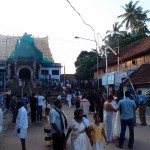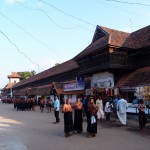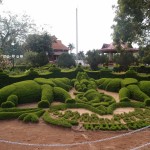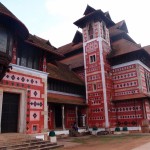
Trivandrum

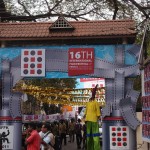
The 16th international film festival of Kerala just started, got a delegate pass, so I’m staying a few days :).


3 oceans

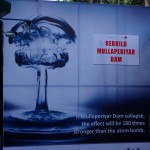
After a second day of 5-7hr bus journeys I reached Kanyakumari, the southern tip of India, from Kodaikanal, in the Western Ghats (hills, at 2000m).  Civil disturbances over the Mullapperiyar dam issue between Tamil Nadu and Kerala had closed roads and prevented a trek across the border to Munnar.  Keralans are worried the 100yr old dam might burst and cause disaster, as helpfully dramatised by a current movie “Dam 999”, whilst Tamils depend on the water from the dam for much of their supply, and fear terrible drought if it is to be rebuilt.
My room in the state run TTDC hotel has several lizards in.  The sea view is serene, but it’s humid. I head to the typically dingy a/c bar and get a beer, served with several complimentary tapas, as customary.  It’s a Sandpiper, better than the ubiquitous Kingfisher, or super strength 10,000 bar staff seem eager for me to take.  Bars are a totally male preserve, other than tourists, nearly always in basements with no natural light. Sometimes they have quirky themes, like ‘Wild West’ or ‘Apollo 6’, and often more staff than customers, though service is still slow.  But after 7hrs hurtling down the country in a suspension-less bus it’s worth it for a cold beer.
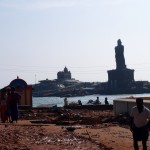
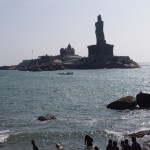
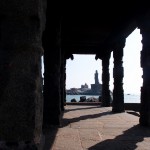
Kanyakumari is full of groups of male pilgrims in orange or black dhotis (loin cloths, as Gandhi wore) and holiday makers.  The streets are lined with market stalls.  An island with a colossal statue is just off shore, sun too bright to make out any detail, Indian tourists swim and play in the sea, some make devotions.  It’s very hot, despite being winter.  There’s an ancient pillared granite sun shelter, though during summer the rock must get too hot to touch.  I check out and catch the 1030 train to Trivandrum, capital of Kerala.

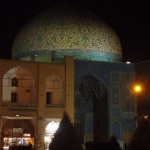
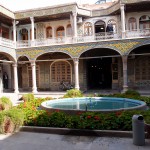
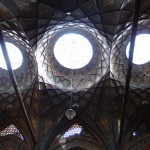
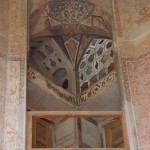
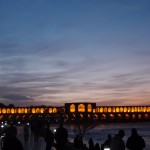
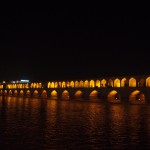
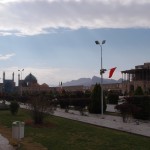
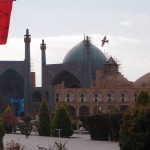
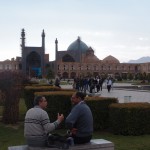
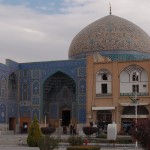
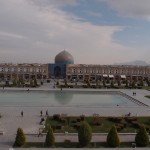
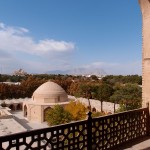
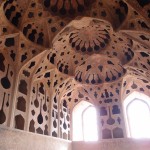
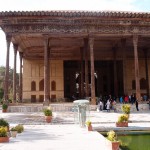
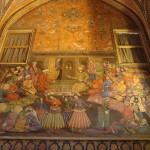
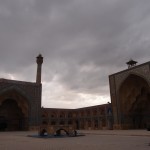
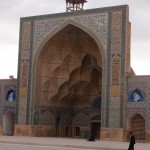
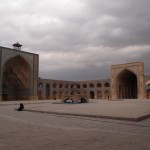
Isfahan

Once capital of Persia and seat of the Safavid dynasty from 1598, which peaked early under Shah Abbas before falling to alcohol and lazy harem dwelling ways. The last Safavid Shah, Hosein, decreed “taverns, coffee houses and brothels to be closed, banned prostitution, opium, ‘colouful herbs’, sodomy, public music, dancing, gambling and kite flying, and women from mixing with men that were not relatives.”(1)  But he went on to become alcoholic, and to collect hundreds of women from across the empire into his harem, before falling from power.

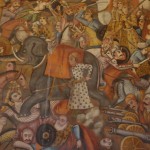
Isfahan soon had a resurgance, to became a city greater than Londonm with 550,000 populationm under Nader Shah, who banned the abduction of women for the harem and concentrated on military conquest.  He defeated the Mughals, the Ottomans and others in numerous battles and raised the largest army in the world, of 375,000 soldiers. But he also fell to alcoholism and madness, after ordering his son be blinded for a suspected plot. These days Iran is again a dry state, and upholds nearly all Hossein’s decrees, but for that against kite flying (2).

Isfahan’s population shrank to less than 50,000 amidst the brutal chaos that followed Nader’s death, falling to seige and Afghan occupation.  It’s inhabitants had suffered before: In 1387 Isfahan surrendered to the Turko-Mongol warlord Timur (Tamburlaine), who ordered the massacre of city residents, his soldiers killing 70,000 citizens and constructing more than 28 towers, each of 1,500 heads.

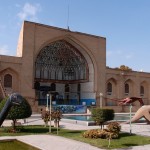
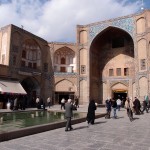
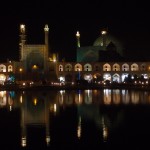
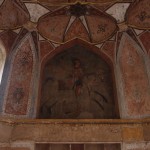
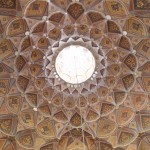
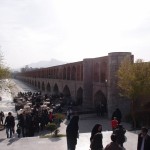
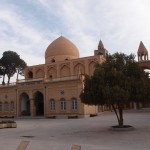
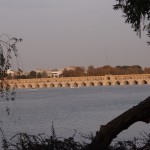
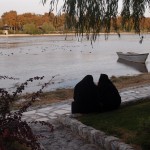
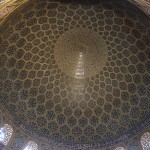
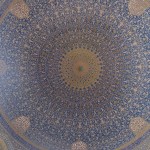
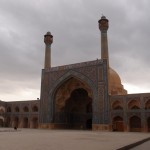
A beautiful city, the most beautiful I’ve seen so far.

(1)Axworthy: Iran, Empire of the Mind

(2) http://www.breitbart.com/article.php?id=070910082938.0nbc8ddu&show_article=1

Cyclone

Lightning lit the clouds as we descended into Chennai airport, a week or so ago.  The guy who booked me a taxi explained there was heavy flooding in Tamil Nadu and a cyclone was on it’s way.  Mixed with heavily potholed roads and crazy traffic of all kinds, animal, mineral and vegetable, it made for a memorable ride the 60km to Mamallapuram, with dawn breaking as we arrived.  The cyclone never hit, as such, but it feels to me I’ve been in it’s eye since arriving, just now coming out the other side, still spinning but remembering what it’s like to have my balance.

Along the way have been the wonderful people, some (not all..) wonderful food and rarely a moment away from the din of traffic, a cacophony of horns, conductor’s whistles, engines, music, yells and more besides.  So, I started with a really cheap room and have worked my way up to mid-range places that appear as I’d imagine ex-luxury hotels in socialist states like cuba or venezuela.  From about 400 rupees (£5, still twice the very cheapest) to 2500 rupees at the present place, in incremental steps.

Fantastic sights: tropical scenery, colourful built environment, fashion and amazingly diverse vehicles, cottage industries of all sorts, mammals of various types all over the place.  And quite bizarre, to my untrained ear, music, as well as the more familiar indian pop which buses tend to supply as a soundtrack.  Marred by poverty, plastic waste, sewage. Touting and begging has not been as overwhelming as I feared it may be, so far, but still takes some getting to grips with.

Now, having had to stay an extra night to get the first available train reservation to Madurai (my second, mostly I’ve used buses), I’m on my way – via this city – into the countryside: the 2000m hill station of Kodaikanal.  Back to a nice cheap hostel and less extraordinarily bustling environment, in what all locals who I’ve mentioned it to believe to be one of the most beautiful parts of the region.  Maybe I can trek to Munnai in Kerala from there, if I’m lucky enough to find a group to join, but by whatever means this more rural state will be my next destination.

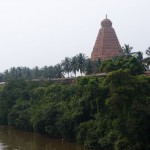
Thanjavur: Brihadishwara temple & fort

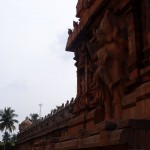
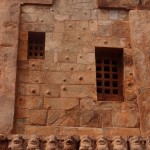
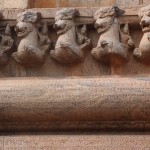
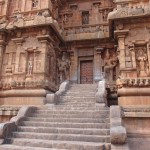
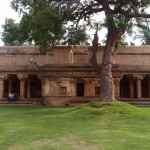
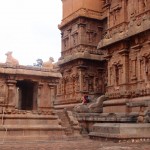
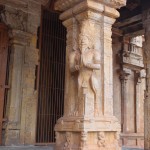
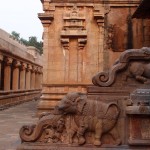
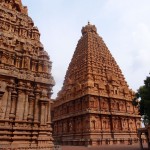
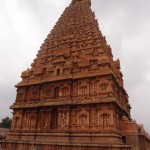
Built by Raja Raja of the Chola dynasty in 1010. The Nandi (cow) sculpture facing the main temple-shrine is carved from a single stone, weighing 25 tonnes and measuring 3m high by 6m long. The cloisters are the longest in India and several visitors told me the tower is famed for never casting a shadow.

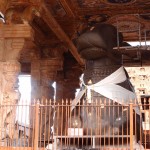
For the first time, I entered the inner sanctums of a Hindu temple. I’d met an academic from the university at Chidamburam (the neighbouring town), who guided me in. At the lingam shrine, a brahmin marked pilgrims foreheads with ash. The atmosphere can be very charged in the inner shrines, which anyway are often closed to non-Hindus. I had refrained from encroaching on any so far. My host was delighted, and I was very happy to have had the experience. Later he explained to me that all are equal before god and also that gods of all faiths are the same god.

Sharjah and Dubai

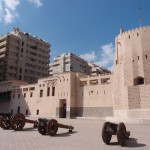
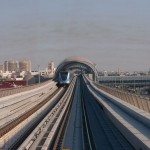
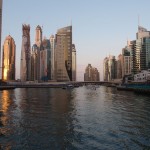
Cities built on rolling sand dunes of desert, malls and malls and malls, friendly south asians and phillipinos and some guys dressed the way everyone should dress in such climates, but looking almost out of place in the 85% imported environment.

I dosed up on coffees (sharjah being a dry emirate) and the universally identical environments of trans-national retail franchises before the next big culture shock.

(Boris- more notes available).

Durban

Tehran lives up to it’s reputation as an extraordinarily lively city, it’s exhilarating.

More shops than I ever imagined could exist, clustered into districts (sports, lighting, health, paper, bike parts &c.) with the black hole of the Bazaar in the centre.  You can spend an hour walking and see only shoe shops, hundreds, probably thousands, of them.  Things change a bit in the North, with more up-market malls and brand stores, I guess none official.  Detecting the difference between imitation and genuine article is a game you can’t help but be drawn into.

And traffic.  The driving here might scare a Neopolitan.  Almost nowhere seeems out of bounds for motorbikes and the pavement is often treated as an extra lane.  Not that lanes, or other rules (red lights, one way streets, headlamps) count for much.  If you want to get across a street you usually have to step out into the traffic playing a kind of frogger game hopping between minute spaces to stop cars and trusting the bikes to weave around you.  Or hide behind someone else who’s crossing.

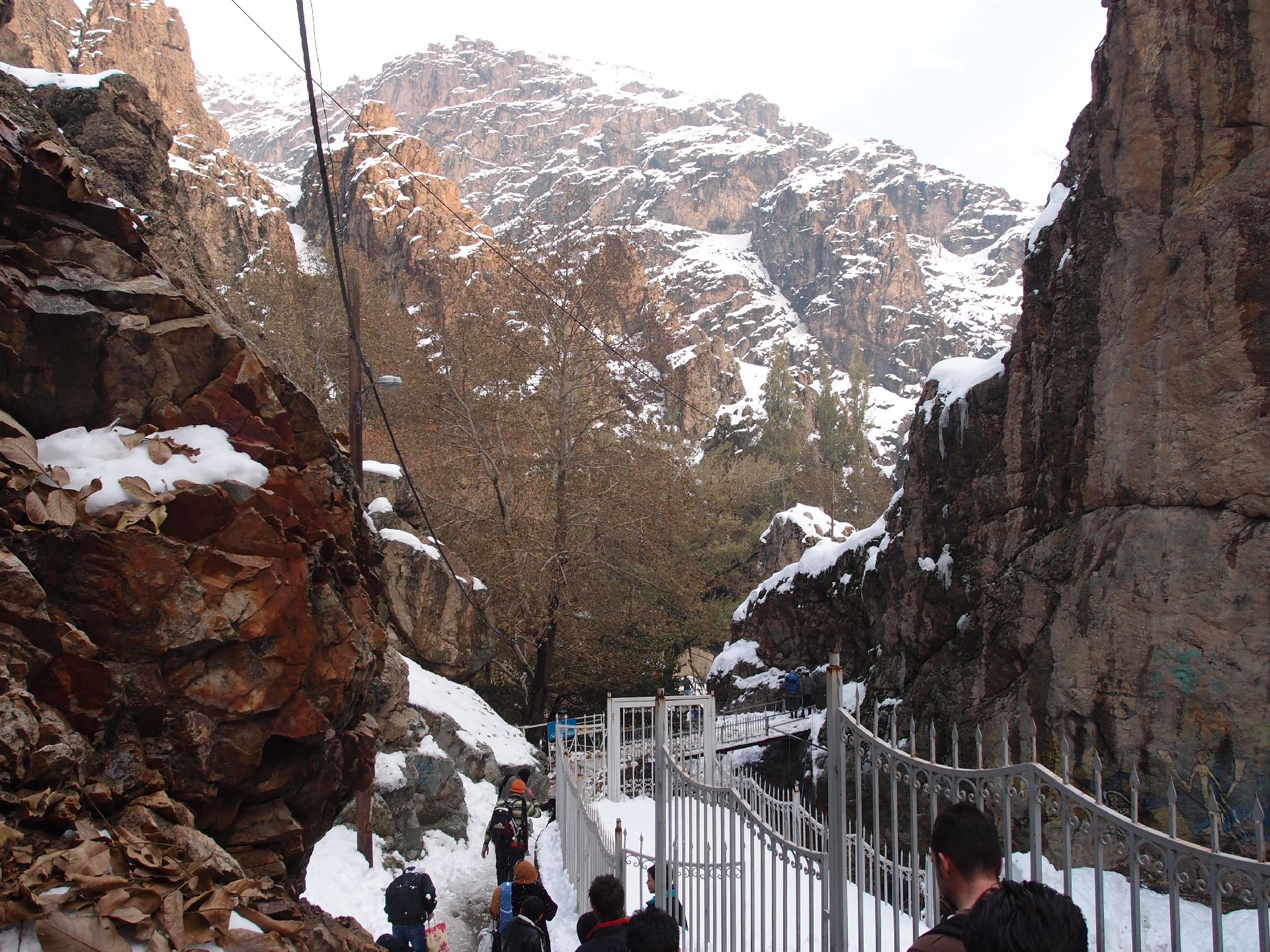
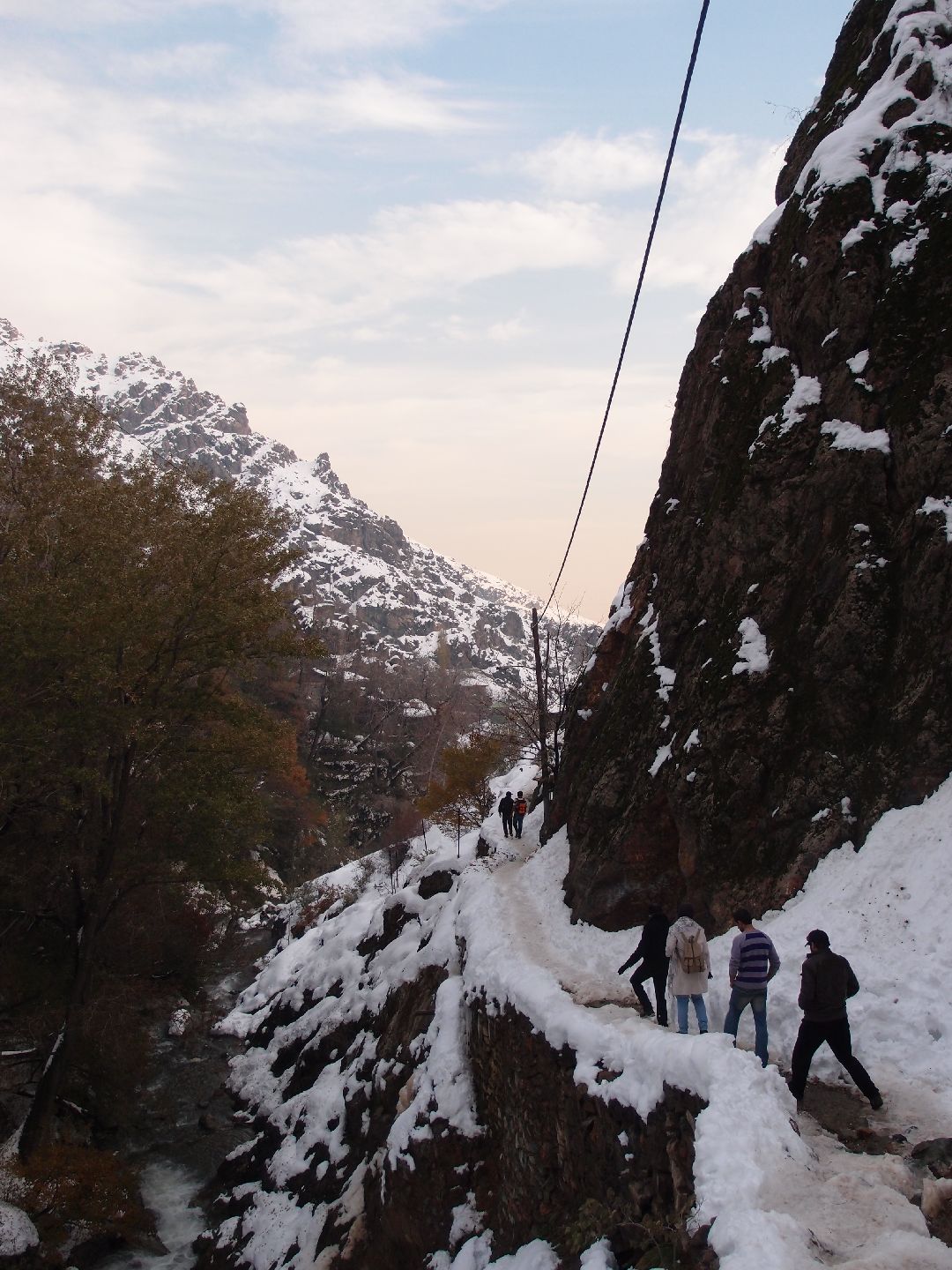
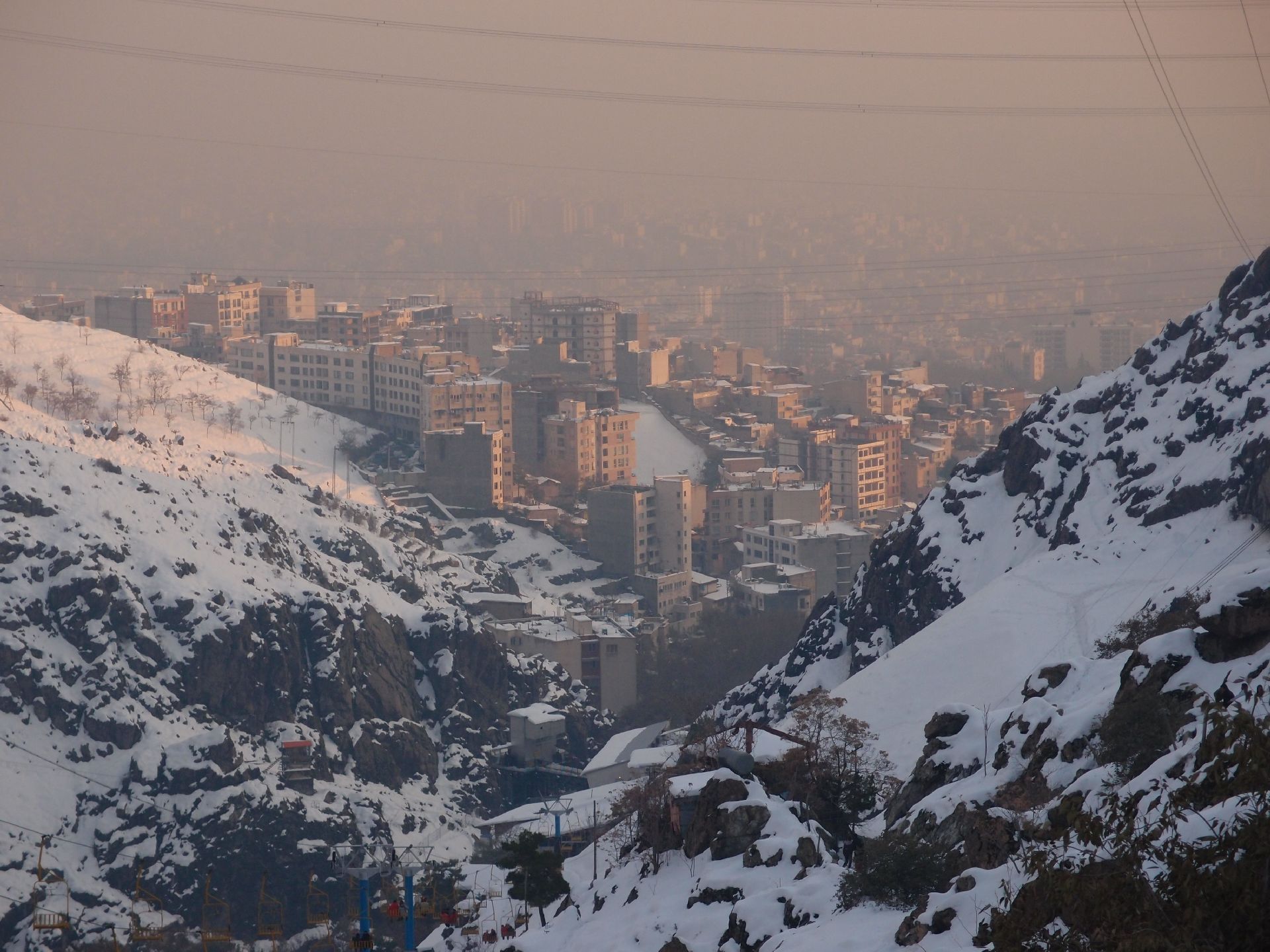
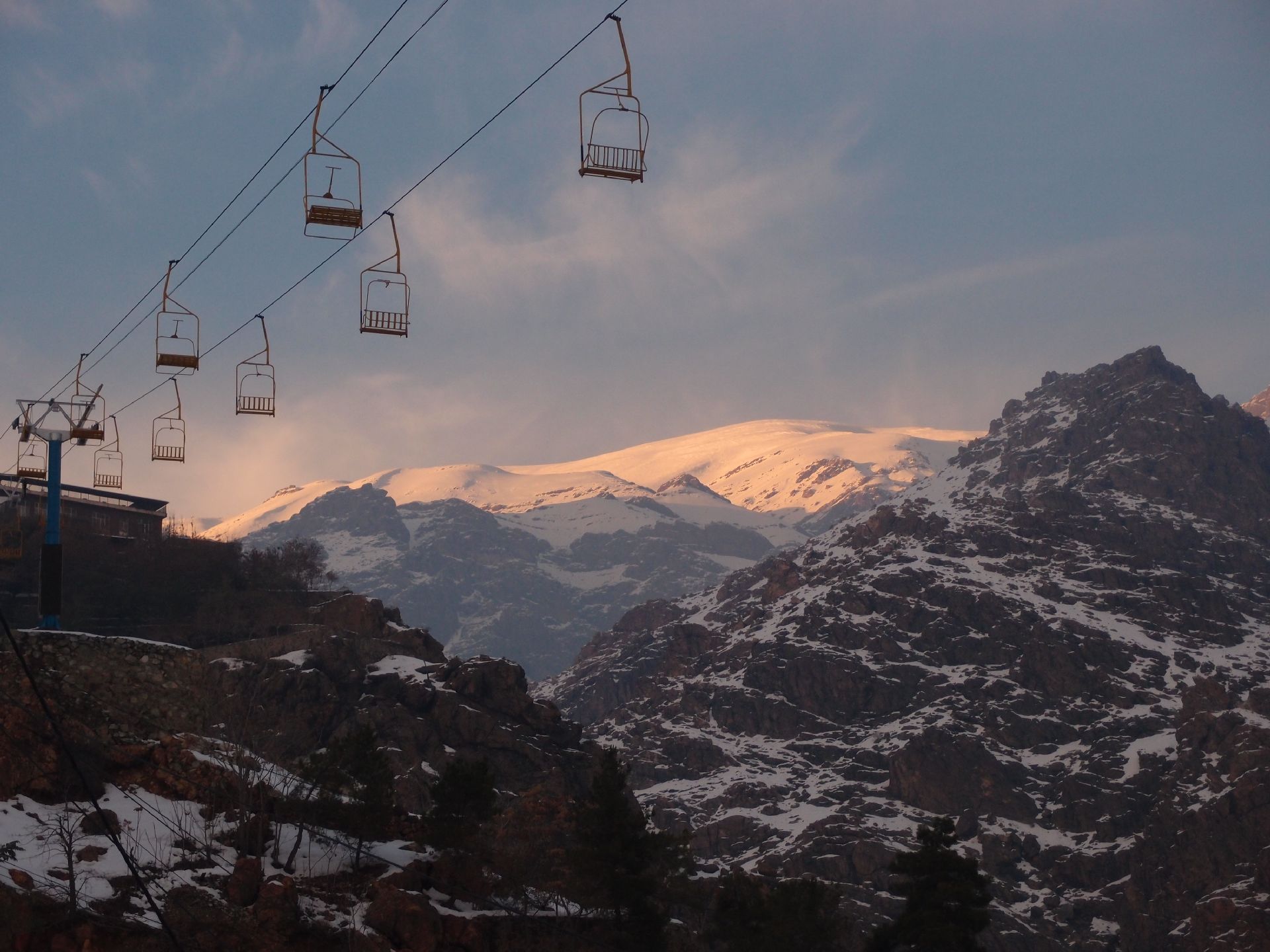
The smog and risk of meeting a sorry end under a motor vehicle are tiring; as an alternative to the parks, to refresh mind and sinuses, I made a long trip across the city to Durban, an area popoular for hikes into the mountains, where loads of restaurants and cafes compete for passing trade.

wordpress gallery makes no sense at all.


Culture

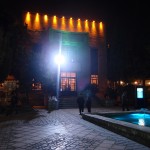
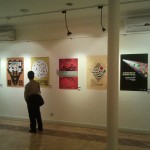
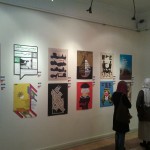
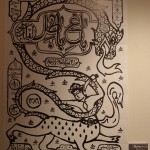
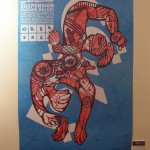
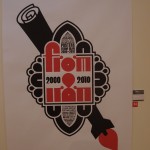
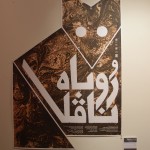
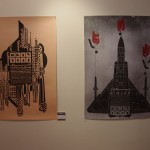
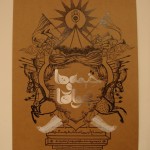
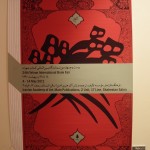
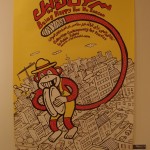
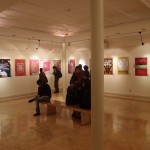
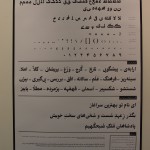
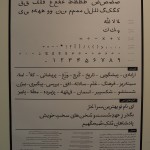
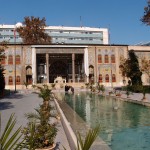
On the journey of a hunt for vegetarian cuisine (a primary mode during the trip so far), I came across an exhibition of Iranian graphic arts, at the Iranian Artist’s Forum.  The IAF is situated in the Tehran Garden, along with a theatre and a wonderful (for being..) vegetarian restaurant.